
Build Youth Soccer Discipline-Accountability Culture Now
- irvingarmstrong
- Mar 24
- 5 min read
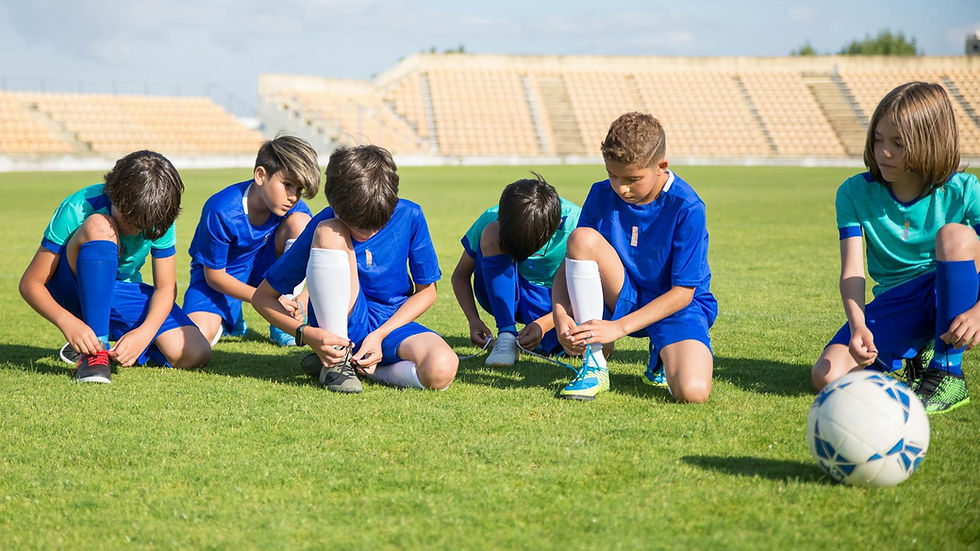
The youth soccer landscape is often characterized by passionate parents, dedicated coaches, and exceptionally talented young athletes. However, passion alone does not guarantee sustained success or holistic player development. Far too many programs stumble because they neglect the foundational elements of structure, responsibility, and follow-through. If we aim to nurture excellence, moving beyond mere skill acquisition to unlocking full potential, we must focus intently on building team discipline accountability culture right now. This culture separates elite development academies from recreational leagues, ensuring players translate potential into consistent performance both on and off the pitch.
The Non-Negotiable Foundation: Why Discipline Precedes Development
Many coaches and parents focus exclusively on technical drills or tactical instruction, viewing discipline as a secondary concern. This perspective fundamentally misunderstands how high-performing units are forged. True athletic prowess in modern soccer demands more than quick feet; it requires mental fortitude and professional habits. Without a shared understanding of expectations, talent stagnates.
We are not merely training athletes; we are shaping future leaders. This requires a strategic approach to embedding behavioral standards from the very first session. A strong Youth Soccer Team Discipline Strategy is the operating system upon which all successful coaching programs run. It minimizes distractions, maximizes training efficiency, and prepares players for the structured demands of higher-level competition, which is precisely the environment Soccer Strategies Hub aims to replicate in every program we design.
Defining Discipline and Accountability in Youth Soccer
For the professional audience-coaches, club directors, and serious parents-it is crucial to define these terms operationally.
Discipline: Consistent adherence to agreed-upon standards, whether related to punctuality, uniform presentation, equipment care, or in-game focus. It is the 'how' we approach the work.
Accountability: The ownership of one's actions and their impact on the team. It means showing up ready, fulfilling assigned roles, and proactively addressing mistakes without blaming others.
Culture: The collective, often unspoken, norms that dictate acceptable behavior. A positive culture reinforces discipline and demands accountability from everyone, not just the star player.
When these elements are weak, coaches spend excessive time managing behavior instead of coaching soccer. This inefficiency burns out staff and stalls player growth, a common pain point we observe when families first seek expert guidance.
Implementing a Practical Youth Soccer Team Discipline Strategy
Developing this culture is an active, ongoing process, not a passive outcome. It requires a clear, communicated framework that ensures consistency across the entire season.
Step 1: Establishing Non-Negotiable Standards
Clarity is kindness in leadership. Before the season begins, the standards must be collaboratively established. This involves the coaching staff presenting the baseline requirements, which can then be discussed and ratified by the team leadership council (if one exists).
Punctuality Protocol: Define what "on time" means (e.g., gear on, actively stretching 5 minutes before the scheduled start).
Communication Rules: Set guidelines for player-to-coach communication, particularly regarding absences or scheduling conflicts.
Equipment Mastery: Require players to manage their own gear, including hydration, proper footwear, and medical needs. This fosters self-sufficiency.
Step 2: Linking Behavior to Consequences and Recognition
A strategy without consistent follow-through is merely a suggestion. Consequences, positive and negative, must be immediate and proportional. This is where the heavy lifting of culture building occurs. We move beyond simple warnings toward structured reinforcement.
For example, repeated lateness should trigger a tangible consequence-perhaps extra conditioning drills or a temporary reduction in on-field decision-making time during scrimmages. Conversely, players who consistently demonstrate high levels of ownership and commitment should be publicly recognized. We explore how to empower players to enforce these standards amongst themselves when we discuss how to [Coach Youth Soccer Leaders: Master Key Strategies]. Empowering peer accountability is a hallmark of mature teams.
Step 3: Modeling and Delegating Ownership
The coaching staff must exemplify the standards they demand. If a coach arrives late, the culture immediately suffers a credibility hit. Furthermore, effective building team discipline accountability culture involves delegation. Coaches cannot police every minute detail.
When players are responsible for tracking their own performance metrics, setting pre-game routines, or even leading warm-ups, they become intrinsically invested in the system. This shift from external control (coach enforcing rules) to internal commitment (player upholding standards) is vital for long-term development. This ties directly into developing stronger leaders on the field, a core tenet of our strategic offerings at Soccer Strategies Hub.
The Competitive Advantage of Cultural Excellence
In modern youth soccer, where specialized goalkeeper distribution skills and complex tactical movements are crucial, the team that possesses superior mental organization and commitment gains a distinct edge. When skills are relatively even, the disciplined team wins.
Players who internalize accountability are better prepared for the intensity of real-game pressure. They focus on their role when the game becomes chaotic. They manage self-correction swiftly. This mental toughness, born from a robust culture, translates directly into better performance outcomes, minimizing the need for constant external direction from the sideline-a benefit to players, parents, and coaches alike. For those looking to formalize this leadership development, understanding how to [Build Accountable Leaders with Youth Soccer Strategies] provides a fantastic roadmap.
Frequently Asked Questions
How young is too young to start focusing on accountability culture?
It is never too early. For U8 players, accountability might mean simply ensuring they put their cones away. For U14 players, it means analyzing video clips independently. The standards scale, but the principle of ownership begins immediately.
What happens if a star player refuses to adhere to the team discipline standards?
This is the ultimate test of the culture. If the culture is strong, the team will often self-correct or pressure the player, or the coach must remove them temporarily or permanently if necessary. Tolerating high talent with low accountability poisons the entire environment.
How can parents support the discipline culture without micromanaging?
Parents support the culture by respecting the coach's established protocols regarding communication, punctuality, and sideline behavior. They should ask their child about their commitments and follow-through, reinforcing team standards at home rather than overriding the coach’s in-game decisions.
How does this relate to specific skills coaching, like goalkeeping?
Accountability ensures the goalkeeper actually executes the distribution drills taught during specialized training sessions consistently, rather than just going through the motions. Culture drives execution of specialized skills.
Conclusion: Making the Investment Now
Building team discipline and accountability culture is not a soft skill elective; it is a strategic imperative for any youth soccer program committed to unlocking its players' full potential. By clearly defining expectations, consistently enforcing transparent consequences, and intentionally delegating ownership, coaches and clubs establish an environment where excellence is the expected norm. This foundational work ensures that when specialized training-whether tactical or technical, like advanced goalkeeper coaching-is applied, the player is mentally and behaviorally prepared to absorb and implement that knowledge effectively. Invest in the culture today, and watch your team’s sustained performance elevate tomorrow.

$50
Product Title
Product Details goes here with the simple product description and more information can be seen by clicking the see more button. Product Details goes here with the simple product description and more information can be seen by clicking the see more button

$50
Product Title
Product Details goes here with the simple product description and more information can be seen by clicking the see more button. Product Details goes here with the simple product description and more information can be seen by clicking the see more button.
$50
Product Title
Product Details goes here with the simple product description and more information can be seen by clicking the see more button. Product Details goes here with the simple product description and more information can be seen by clicking the see more button.


Comments