
Master Youth Goalkeeper Distribution Skills Coaching
- irvingarmstrong
- Feb 25
- 4 min read
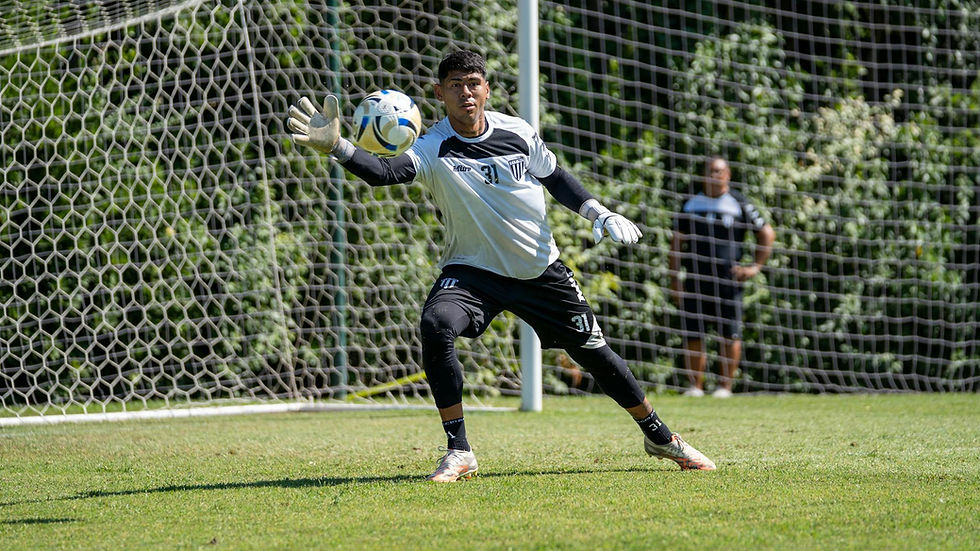
The modern soccer pitch demands more from the goalkeeper than ever before. Gone are the days when shot-stopping was the sole metric of success; today’s elite keepers function as the eleventh outfield player, initiating attacks and dictating defensive structure from the back. For coaches and parents navigating the competitive landscape of youth soccer, unlocking this modern dimension requires focused attention on Youth Goalkeeper Distribution Skills Coaching. At Soccer Strategies Hub, we recognize that mastering distribution is the key differentiator, transforming a promising young athlete into a dominant force. Ignoring this facet leaves talent untapped and potential unrealized.
The Strategic Importance of Goalkeeper Distribution in Youth Soccer
In contemporary soccer, the goalkeeper is the first attacker. Rapid, accurate distribution directly impacts possession retention, transitions, and offensive overload opportunities. When young goalkeepers consistently deliver the ball effectively, they bypass the opponent’s first line of press, immediately putting their team in advantageous positions higher up the field. This shift demands specialized, systematic coaching that moves beyond simple goal kicks.
Many youth setups struggle here, resulting in high turnovers, unnecessary pressure on the defense, and frustrated players. This often stems from a lack of specific skills coaching, a pain point we frequently encounter. We must equip our young athletes with the tools to dominate, not just react.
Defining Distribution Excellence
Excellence in distribution involves several interconnected competencies, each requiring dedicated practice:
Decision Making Under Pressure: Choosing the right option-short pass, driven ball, or long punt-based on real-time visual scanning.
Technical Proficiency: Executing throws, drop kicks, and driven passes with consistent accuracy and appropriate weight.
Range Application: Proficiency with both short, possession-based passes and penetrating long passes designed to find wide players or strikers in space.
Body Mechanics: Utilizing proper footwork and body shape to generate power and disguise intent.
Foundational Techniques for Youth Goalkeeper Mastery
Effective Youth Goalkeeper Mastery begins with the fundamentals. We cannot progress to complex scenarios until the basic mechanics are ingrained through repetition. Our approach emphasizes quality over quantity in early training sessions.
Mastering the Ground Pass and Throw
The short game builds confidence and establishes rhythm. For ground passes, emphasize the inside of the foot, aiming for the laces of the receiving player’s boot. For throws, focus on the 'over-the-top' technique, generating momentum from the core and avoiding a looping trajectory that invites interception.
Developing Aerial Distribution Power and Accuracy
The drop kick and the punt are essential tools for immediate vertical clearance or direct attacking launches. Developing the drop kick is crucial because it allows for greater trajectory control compared to a traditional punt. The technique demands precise timing between the drop and the strike, ensuring the ball is hit at the optimal point just after it bounces. This precision is paramount for effective counter-attacks. For more depth on refining these elements, review our insights in Youth Soccer Goalkeeping: Master Distribution.
Integrating Distribution into Tactical Training
The greatest technical skill is useless without tactical application. Youth Goalkeeper Distribution Skills Coaching must be integrated into small-sided games and scenario-based drills that mirror match pressure. Coaches must stop isolating the goalkeeper in separate drills entirely.
Scenario-Based Decision Training
Use drills that force the keeper to scan quickly and select a weighted pass based on programmed movements from field players. For instance, if the winger makes an underlap run, the keeper must execute a low, driven ball; if the center forward checks to receive, a soft, lofted pass might be better. This complexity trains the goalkeeper to become a field general, anticipating needs rather than just reacting to immediate threats.
The Role of Scanning and Communication
Distribution begins before the ball is even in hand. Goalkeepers must develop a "pre-kick routine" involving rapid head movement-scanning left, center, right-to identify safe outlets. Furthermore, clear, assertive communication is non-negotiable. A well-timed shout can turn a potential turnover into a safe possession cycle. This comprehensive approach is central to our philosophy at Soccer Strategies Hub, ensuring we nurture not only athletic prowess but also leadership qualities. You can read more about how these skills are evolving in our broader look at Youth Goalkeeper: Evolving Skills | Soccer Strategies.
Overcoming Common Hurdles in Youth Coaching
Parents and coaches often express concern regarding over-coaching or pressuring young players too early. The key lies in progression and positive reinforcement. We must create an environment where failure in practice leads to learning, not fear.
Fear of Mistakes: Counter this by making distribution drills low-stakes initially, focusing purely on contact quality before adding defensive pressure.
Lack of Quality Reps: Ensure every distribution drill has a defined target and a consequence for missing it, mimicking game reality.
Ignoring Throwing Mechanics: Many coaches focus only on kicking; specialized throwing drills are vital for quick, close-range distribution.
Frequently Asked Questions
How often should distribution practice occur in a typical youth training week?
At least 20-30 percent of dedicated goalkeeper time should focus specifically on distribution. This frequency ensures technical consistency while allowing time for other aspects like shot-stopping and handling.
What is the difference between a drop kick and a punt for a young keeper?
A punt involves kicking the ball before it hits the ground, typically resulting in a higher, more direct trajectory suitable for long clearances. A drop kick involves letting the ball bounce once, allowing for better control over power and height, often preferred for accuracy over medium-to-long distances.
Should youth goalkeepers practice distribution with their weak foot?
Absolutely. Developing competence, if not complete mastery, with both feet is critical for modern goalkeeping. Being able to play short passes or execute a drop kick under pressure with the non-dominant foot opens up defensive angles significantly.
What is the most important aspect of successful distribution under pressure?
Decision-making speed and clarity are paramount. The keeper must quickly assess the pressure zones and immediately select the safest or most progressive option available, relying on practiced execution.
Conclusion: Building the Modern Goalkeeper Architect
Youth Goalkeeper Distribution Skills Coaching is not a supplementary skill; it is the cornerstone of modern positional play. By implementing systematic, scenario-driven training, coaches can move beyond simply mitigating goals conceded to actively creating scoring opportunities. This focus on technical excellence, tactical awareness, and mental fortitude aligns perfectly with our mission at Soccer Strategies Hub: nurturing excellence and unlocking full potential. Invest the time now in these crucial skills, and watch young keepers evolve into strategic architects on the pitch, ready to lead their teams effectively from the 18-yard box onward.

$50
Product Title
Product Details goes here with the simple product description and more information can be seen by clicking the see more button. Product Details goes here with the simple product description and more information can be seen by clicking the see more button

$50
Product Title
Product Details goes here with the simple product description and more information can be seen by clicking the see more button. Product Details goes here with the simple product description and more information can be seen by clicking the see more button.
$50
Product Title
Product Details goes here with the simple product description and more information can be seen by clicking the see more button. Product Details goes here with the simple product description and more information can be seen by clicking the see more button.


Comments