
Youth Soccer: Best Turf Shoes for Young Players
- irvingarmstrong
- Nov 18, 2025
- 5 min read
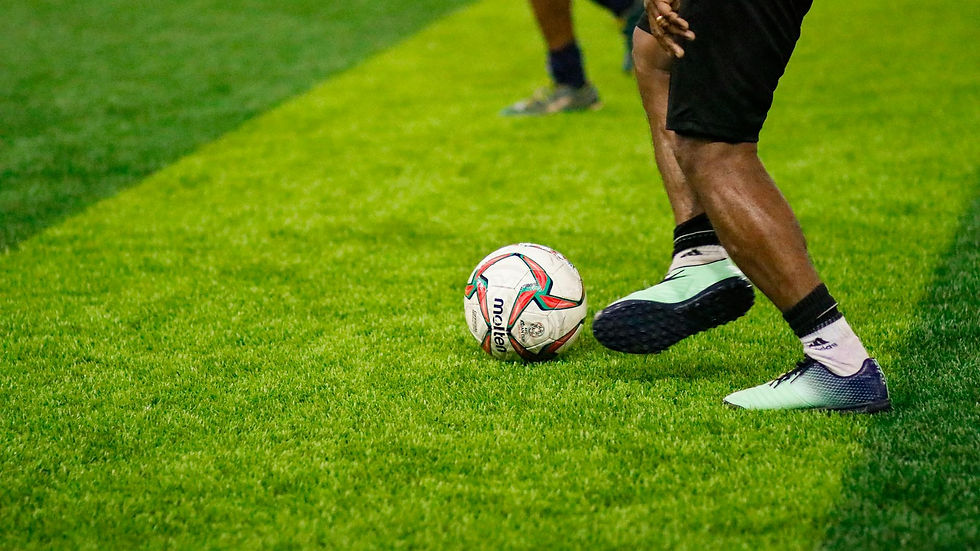
Navigating the world of youth soccer gear can be overwhelming, especially when it comes to footwear designed for artificial turf. The right pair of turf shoes is critical for young players to perform their best, prevent injuries, and enjoy the game to the fullest. This guide will explore the key features to look for in youth soccer artificial turf footwear, providing expert recommendations and insights to help you make the best choice for your young athlete. We’ll cover everything from traction and cushioning to fit and durability, ensuring your child is equipped for success on any artificial surface.
Understanding the Demands of Artificial Turf
Artificial turf presents unique challenges for soccer players. Unlike natural grass, it offers less give, can generate more heat, and often provides a harder, more unforgiving surface. These factors directly impact the type of footwear required.
Key Differences Between Turf and Grass
The primary difference lies in the traction pattern. Grass cleats feature longer studs designed to penetrate the soil, providing grip in soft conditions. Turf shoes, on the other hand, have a more closely spaced, multi-directional pattern of shorter studs or rubber nubs. This design distributes pressure more evenly across the foot, minimizing the risk of stud pressure and providing optimal grip on the firm, consistent surface of artificial turf. Failure to adapt to youth soccer artificial turf footwear can result in diminished performance.
Injury Prevention on Artificial Surfaces
Playing on artificial turf increases the risk of certain injuries, including ankle sprains, knee injuries, and blisters. The reduced give of the surface can place added stress on joints and muscles. Choosing the right turf shoes can significantly mitigate these risks. Adequate cushioning and support are essential to absorb impact, while a secure fit prevents excessive movement inside the shoe, reducing the likelihood of blisters and other friction-related injuries. Statistics show that players who wear inappropriate footwear on artificial turf are 20-30% more likely to sustain a lower extremity injury.
Essential Features of Youth Soccer Artificial Turf Footwear
Selecting the right turf shoes for your young soccer player involves carefully considering several key features that directly impact performance, comfort, and safety.
Traction and Grip
The outsole is arguably the most critical component. Look for a multi-directional pattern of rubber nubs or short studs. These should be closely spaced to maximize surface contact and provide optimal grip during quick changes of direction, acceleration, and deceleration. A good outsole will enhance agility and prevent slipping, allowing players to maintain control in all conditions.
Cushioning and Support
Artificial turf offers less cushioning than natural grass, making impact absorption crucial. The midsole should provide ample cushioning to protect joints and reduce fatigue. EVA (ethylene-vinyl acetate) and Phylon are common midsole materials known for their lightweight cushioning properties. Look for shoes with additional cushioning in the heel and forefoot areas, which are particularly susceptible to impact.
Fit and Comfort
A snug, comfortable fit is essential for optimal performance and injury prevention. The shoe should fit snugly around the foot without being too tight, allowing for natural movement and preventing slippage. Consider the width of your child's foot when selecting shoes, as some brands offer models in different widths. Breathable uppers made of materials like mesh or synthetic leather can help keep feet cool and dry, reducing the risk of blisters.
Durability and Materials
Youth soccer players put their footwear through rigorous use. Look for turf shoes constructed from durable materials that can withstand the demands of frequent play. Synthetic leather uppers are known for their resistance to abrasion and water, while reinforced stitching enhances overall durability. The outsole should be made of high-quality rubber that can withstand wear and tear on artificial surfaces. Investing in a durable pair of turf shoes will save you money in the long run and ensure your child is always ready to play.
Top Brands and Models for Young Players
Several leading sports brands offer high-quality turf shoes specifically designed for youth soccer players. Researching brands and models is key to adapting to artificial surfaces in Youth Soccer.
Brand Recommendations
Nike: Renowned for their innovative designs and performance-enhancing technologies, Nike offers a wide range of turf shoes for young players. Look for models with Flyknit uppers for a comfortable, sock-like fit and responsive cushioning.
Adidas: Adidas is another leading brand with a strong presence in the youth soccer market. Their turf shoes often feature durable synthetic uppers and grippy outsoles designed for optimal traction.
PUMA: PUMA offers a range of stylish and functional turf shoes for young players. Look for models with lightweight designs and responsive cushioning for enhanced comfort and performance.
Specific Model Examples
While specific models change frequently, consider these features when researching: Nike Jr. Mercurial series (known for speed and agility), Adidas Copa series (prioritizes comfort and touch), and PUMA Future series (offers a customizable fit). Read reviews and compare features to determine which model best suits your child's playing style and needs.
Maintenance and Care
Proper maintenance can significantly extend the lifespan of your child's turf shoes and ensure they continue to perform at their best.
Cleaning and Storage Tips
After each use, clean the shoes with a damp cloth to remove dirt and debris. Avoid using harsh chemicals or abrasive cleaners, as these can damage the materials. Allow the shoes to air dry completely before storing them. Stuffing them with newspaper can help maintain their shape and absorb moisture. Store the shoes in a cool, dry place away from direct sunlight to prevent cracking and fading.
When to Replace Your Turf Shoes
Even with proper care, turf shoes will eventually wear out. Replace them when you notice signs of wear and tear, such as worn outsoles, damaged uppers, or reduced cushioning. Additionally, if your child complains of discomfort or experiences new injuries, it may be time for a new pair of shoes. Regularly inspect the shoes and replace them as needed to ensure your child's safety and performance.
Conclusion
Choosing the right turf shoes for young soccer players is an investment in their performance, comfort, and safety. By understanding the demands of artificial turf and carefully considering the key features discussed in this guide, you can make an informed decision that will benefit your child on the field. Remember to prioritize traction, cushioning, fit, and durability when selecting youth soccer artificial turf footwear. Encourage your young athlete to try on different models and find the pair that feels most comfortable and supportive. With the right turf shoes, your child can focus on developing their skills and enjoying the game they love, minimizing the risk of injury and maximizing their potential on any artificial surface. Don’t underestimate the importance of proper footwear - it's a game-changer.

$50
Product Title
Product Details goes here with the simple product description and more information can be seen by clicking the see more button. Product Details goes here with the simple product description and more information can be seen by clicking the see more button

$50
Product Title
Product Details goes here with the simple product description and more information can be seen by clicking the see more button. Product Details goes here with the simple product description and more information can be seen by clicking the see more button.
$50
Product Title
Product Details goes here with the simple product description and more information can be seen by clicking the see more button. Product Details goes here with the simple product description and more information can be seen by clicking the see more button.


Comments