
Youth Soccer Turf: Prevent Injuries Now!
- irvingarmstrong
- Nov 18, 2025
- 4 min read
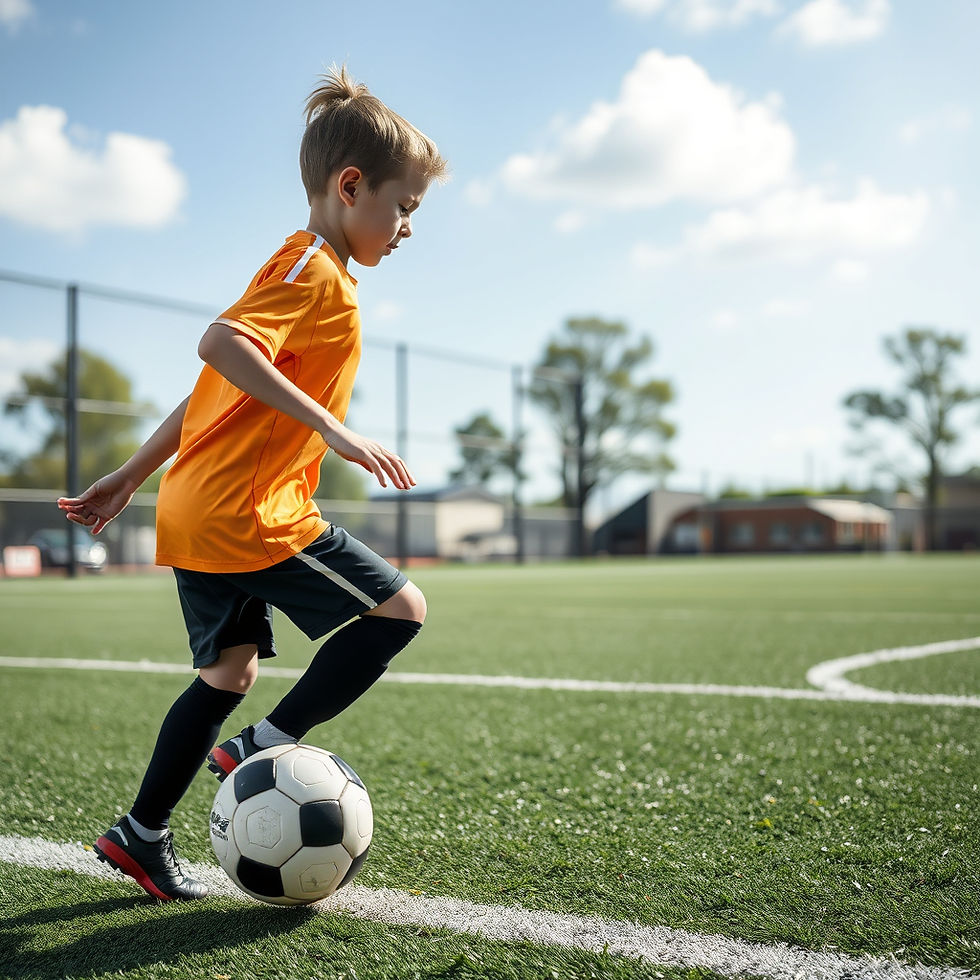
The roar of the crowd, the thrill of the game, the dreams of young athletes – youth soccer is a powerful force. But beneath the surface of spirited competition lies a growing concern: the potential for injuries on artificial turf. Are we doing enough to protect our young players? This article delves into the world of youth soccer artificial turf injuries, offering actionable strategies to mitigate risks and ensure a safer playing environment. We’ll explore the science behind the risks, best practices for field maintenance, and essential training techniques.
Understanding Youth Soccer Artificial Turf Injuries
The increasing prevalence of artificial turf in youth soccer raises critical questions about injury prevention. While providing a consistent playing surface regardless of weather, artificial turf presents unique challenges compared to natural grass. Understanding these differences is the first step in safeguarding young athletes.
Biomechanical Differences and Injury Risks
The biomechanics of movement differ significantly between natural grass and artificial turf. Artificial turf typically has a higher coefficient of friction, meaning shoes grip the surface more readily. This increased grip can lead to greater rotational forces on joints, increasing the risk of ankle and knee injuries, including ACL tears. Moreover, the hardness of the surface can contribute to impact-related injuries.
Increased risk of ankle sprains due to higher friction.
Greater likelihood of ACL injuries from rotational forces.
Potential for abrasions and "turf burn" from falls.
Elevated risk of concussions due to harder impact surface.
Consider a study published in the "American Journal of Sports Medicine," which highlighted a statistically significant increase in ACL injuries among soccer players on artificial turf compared to natural grass. This underscores the importance of implementing preventive measures.
Common Types of Injuries on Artificial Turf
While specific injuries vary depending on player position, skill level, and playing style, some are more prevalent on artificial turf:
Ankle sprains and strains
Knee injuries (ACL, MCL, meniscus tears)
Turf burn and abrasions
Foot injuries (plantar fasciitis, Achilles tendinitis)
Hip flexor strains
These injuries can sideline young athletes, hindering their development and impacting their long-term athletic potential. A proactive approach to prevention is crucial.
Strategies for Preventing Injuries
Preventing youth soccer artificial turf injuries requires a multi-faceted approach, encompassing field maintenance, player preparation, and proper training techniques. A collaborative effort from coaches, parents, and facility managers is essential.
Field Maintenance and Surface Preparation
The condition of the artificial turf directly impacts player safety. Regular maintenance is crucial to minimize injury risks.
Regular grooming to maintain fiber uprightness.
Infill level monitoring and adjustment (sand and rubber).
Cleaning to remove debris and contaminants.
Shock pad inspection and repair.
Watering the turf before games and practices, especially on hot days, to reduce surface temperature and friction.
Proper infill levels are particularly important. Insufficient infill can increase surface hardness, while excessive infill can hinder traction. Regular testing and adjustments are necessary to maintain optimal playing conditions.
Player Preparation and Protective Gear
Equipping players with the right gear and preparing them physically can significantly reduce injury risk.
Appropriate footwear: Cleats designed for artificial turf are essential. These provide optimal traction and minimize rotational forces.
Protective gear: Shin guards are mandatory, and consider padded compression shorts to reduce turf burn.
Proper warm-up: A dynamic warm-up routine should include exercises that improve flexibility, strength, and balance.
Furthermore, educating young players about the specific risks associated with artificial turf empowers them to make informed decisions and take responsibility for their safety.
Adapting Training Techniques
Training techniques should be adapted to the unique demands of playing on artificial turf. Focusing on specific skills can mitigate potential injury risks.
Agility training: Enhance quickness and footwork to reduce the risk of ankle sprains.
Strength training: Strengthen lower body muscles to support joints and improve stability.
Proper landing techniques: Teach players how to land safely after jumps and headers to minimize impact forces.
Emphasis on controlled movements: Encourage players to avoid sudden stops and changes in direction, especially when fatigued.
Youth Soccer | Adapting to Artificial Surfaces requires coaches to be mindful of training volume and intensity. Overuse injuries are common in youth sports, and playing on artificial turf can exacerbate these risks. Implementing a progressive training program that gradually increases workload is essential.
The Role of Hydration and Nutrition
Hydration and nutrition play a vital role in injury prevention. Dehydration can decrease performance and increase the risk of muscle cramps and other injuries.
Encourage players to drink plenty of water before, during, and after practices and games.
Provide access to electrolyte-rich beverages to replenish lost fluids.
Promote a balanced diet that includes plenty of fruits, vegetables, and lean protein.
Adequate nutrition provides the building blocks for muscle repair and recovery, reducing the risk of overuse injuries.
Conclusion: A Proactive Approach to Safety
Youth soccer artificial turf injuries are a real concern, but they are not inevitable. By understanding the risks, implementing preventative measures, and adapting training techniques, we can create a safer playing environment for young athletes. Prioritizing field maintenance, proper equipment, and appropriate training will help minimize injuries and allow young players to enjoy the game they love to the fullest.
Take action now! Consult with your local sports medicine professionals to develop a comprehensive injury prevention plan. Advocate for regular field maintenance and invest in proper equipment. Educate players, parents, and coaches about the risks associated with artificial turf and empower them to make informed decisions. Together, we can ensure the safety and well-being of our young soccer players. Remember, investing in prevention is investing in the future of the game.

$50
Product Title
Product Details goes here with the simple product description and more information can be seen by clicking the see more button. Product Details goes here with the simple product description and more information can be seen by clicking the see more button

$50
Product Title
Product Details goes here with the simple product description and more information can be seen by clicking the see more button. Product Details goes here with the simple product description and more information can be seen by clicking the see more button.
$50
Product Title
Product Details goes here with the simple product description and more information can be seen by clicking the see more button. Product Details goes here with the simple product description and more information can be seen by clicking the see more button.


Comments